I wrote a few months ago about the impact of AI on the video games industry, and the hypocrisy surrounding it. As if AI would kill creativity, like games were some bastion of originality before the AI wave.
AI is just a tool, and like any tool, you can achieve greatness if you’re talented, and garbage if you suck at game design or if you’re just here to flood the App Store with poorly designed games or rip-offs packed with microtransactions to scam people (oh wait, we already had that).
The Movie Industry Is Yet To Be Hit
The same goes for all creative industries. Suno is giving working musicians nightmares, and at a slower pace, due to a few remaining technical obstacles, the movie industry is preparing for its own AI revolution.
You can be against it, just like you could have been against TV, the Walkman, computers, Photoshop, the internet, or smartphones (and as great as those tools are, we’d all agree they come with plenty of downsides): so you can protest all day, boycott products, or post angry comments on YouTube while smashing the dislike button. But there’s no scenario where this isn’t happening.
Right now, most video models are being used for cases where low resolution, imperfections, and artifacts are tolerated (mobile ads, funny memes, and influencer AI slop, for instance). But video models have arguably been among the fastest-moving areas in AI over the last couple of years.
World Models Are Lifting Video
Maybe the hype around “world models” is attracting more investment and therefore accelerating iteration through greater compute capacity.
While traditional video models were trained to generate convincing sequences of images, what we call world models, such as Google DeepMind’s Genie 3, are designed to simulate the real world. Their applications range from training robots and testing autonomous vehicles without putting hardware or people at risk, to education, creative industries, and potentially even serving as training grounds for future A(G)I systems.
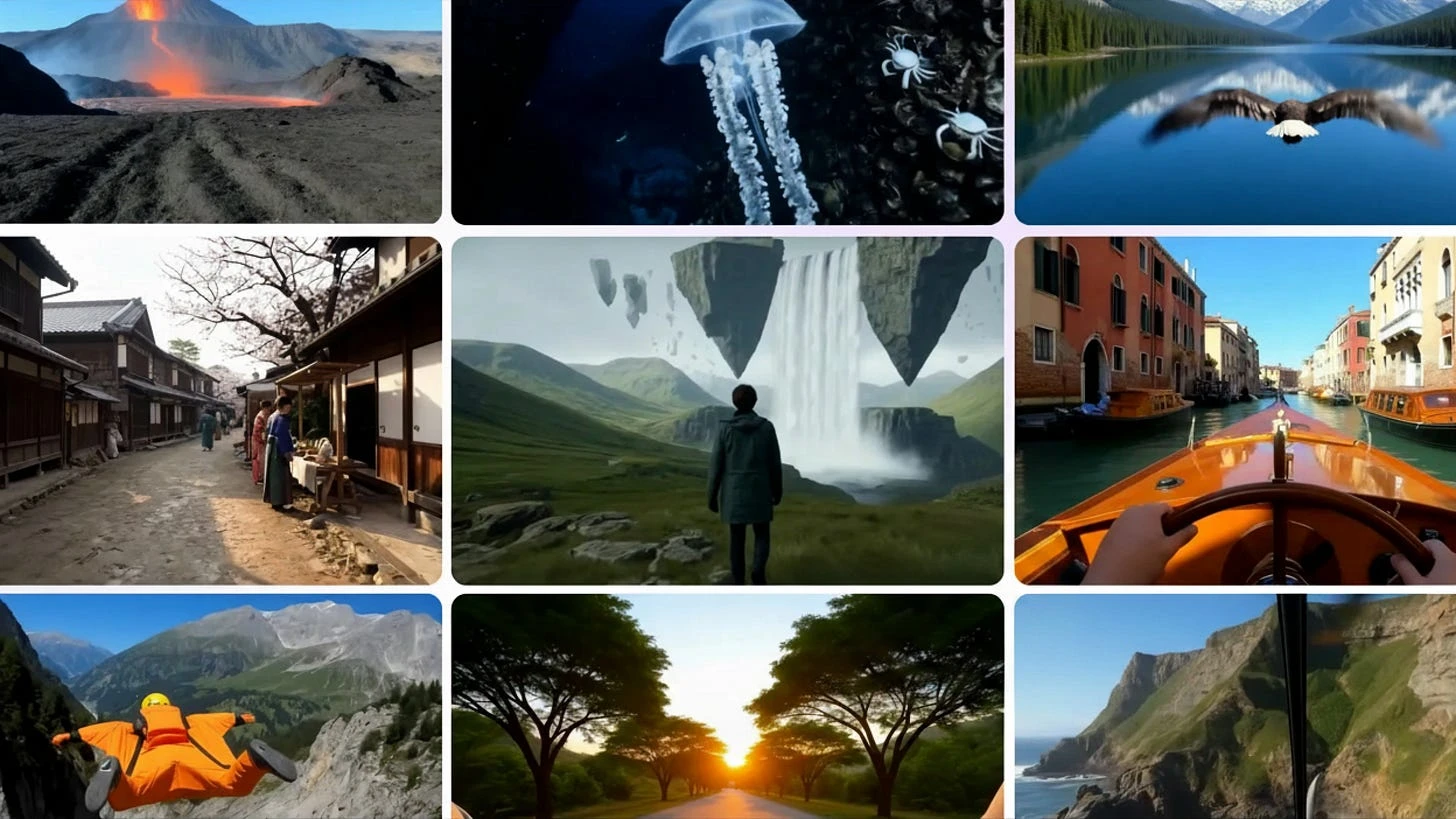
To do that, they need visual realism and consistency over time. If a character leaves a room, the room should still be there when they come back. If an object falls off a table, it should not magically reappear a few seconds later. The model also needs a deeper understanding of physics. Gravity should behave like gravity. Objects should move in plausible ways. Causes should lead to believable effects.
And ultimately, a model capable of understanding and simulating the physical world is exactly what filmmakers need. Even more so when AI allows them to bend its rules, and experiment in real time!
More Diversity Leading to More Solutions
The field also benefits from a remarkable amount of experimentation at fast pace. We’ve seen the surge of innovation around 3D Gaussian Splatting and a growing family of dynamic scene representations, including 4DGS, which extend these ideas into time-varying environments. Instead of simply changing the camera angle of a static reconstruction, you can navigate through an animated representation of a scene over time. Some talented developers are experimenting with these techniques in their living rooms and posting incredible demos on Twitter every day.
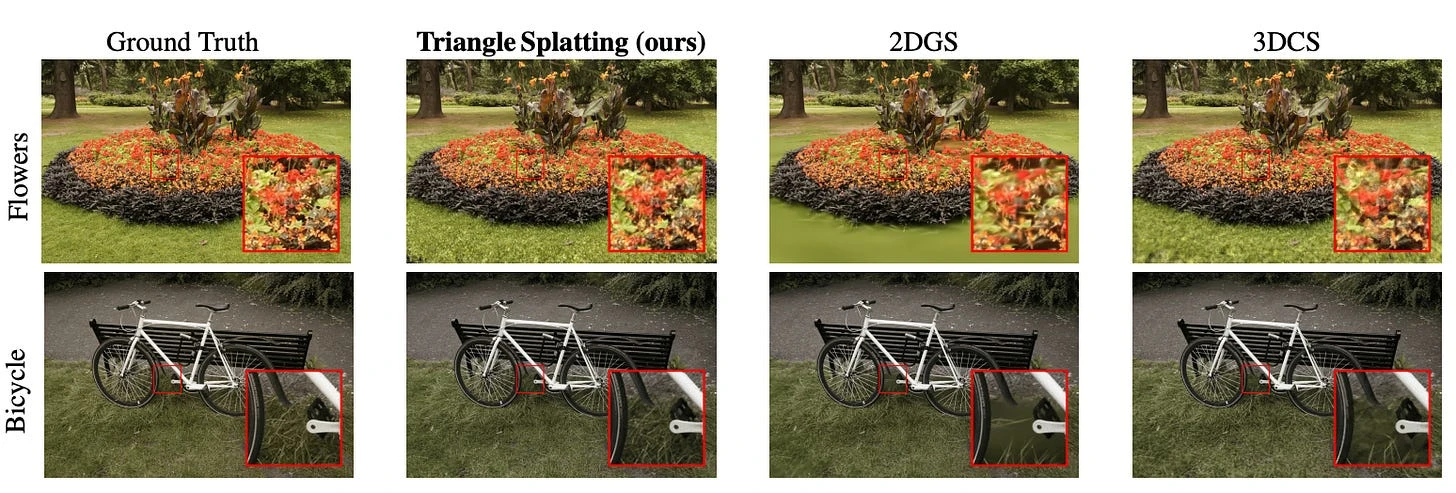
Others are exploring alternatives to Gaussian representations altogether. Some approaches rely on mesh and triangle-based representations, arguing that they better preserve edges and geometric detail while integrating more naturally with traditional graphics pipelines.
Teams are also combining multiple technologies to improve consistency. NVIDIA, for example, has demonstrated with Lyra 2.0 that they can infer and maintain a 3D representation alongside generated video, making it possible to move through a scene and even retrace your steps without everything melting into a different building every few seconds.
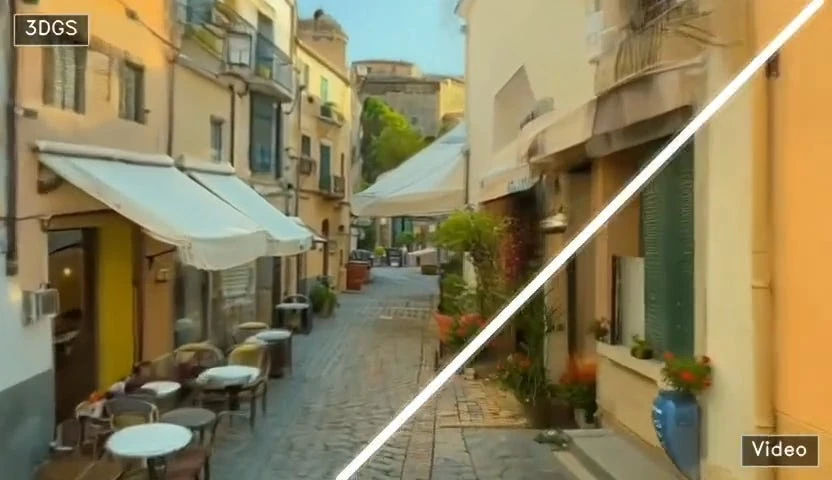
It’s far from perfect, obviously (even in their demo). But it’s clear that many teams are tackling these problems from different directions. Sometimes they converge on similar solutions, and sometimes they arrive at completely different ones. Because many of these ideas can sometimes be explored without training frontier-scale foundation models, progress is often faster and more diverse than people expect.
Even seemingly mundane problems (but highly important for the cinema industry) like decoding and upscaling continue to improve rapidly. NVIDIA’s recent PiD paper combines decoding and super-resolution into a single diffusion-based decoder, producing higher-resolution images faster and with fewer inference steps than traditional multi-stage pipelines.
Survival of the Fittest
But coming back to why AI is not killing creativity: it certainly changes workflows. It forces us to rethink how things can be done and how far we can push our creativity. But it will still require talent, even if studios end up hiring fewer jobs like prop artists and more ML engineers or anyone understanding how we can use these new tools. We’re in a transition phase.
AI slop can be cheap, but making bad TikTok shorts always has been. And people will (and actually already do) get annoyed by the average-looking, overly polished images, camera angles, narratives, and visual styles flooding social media.
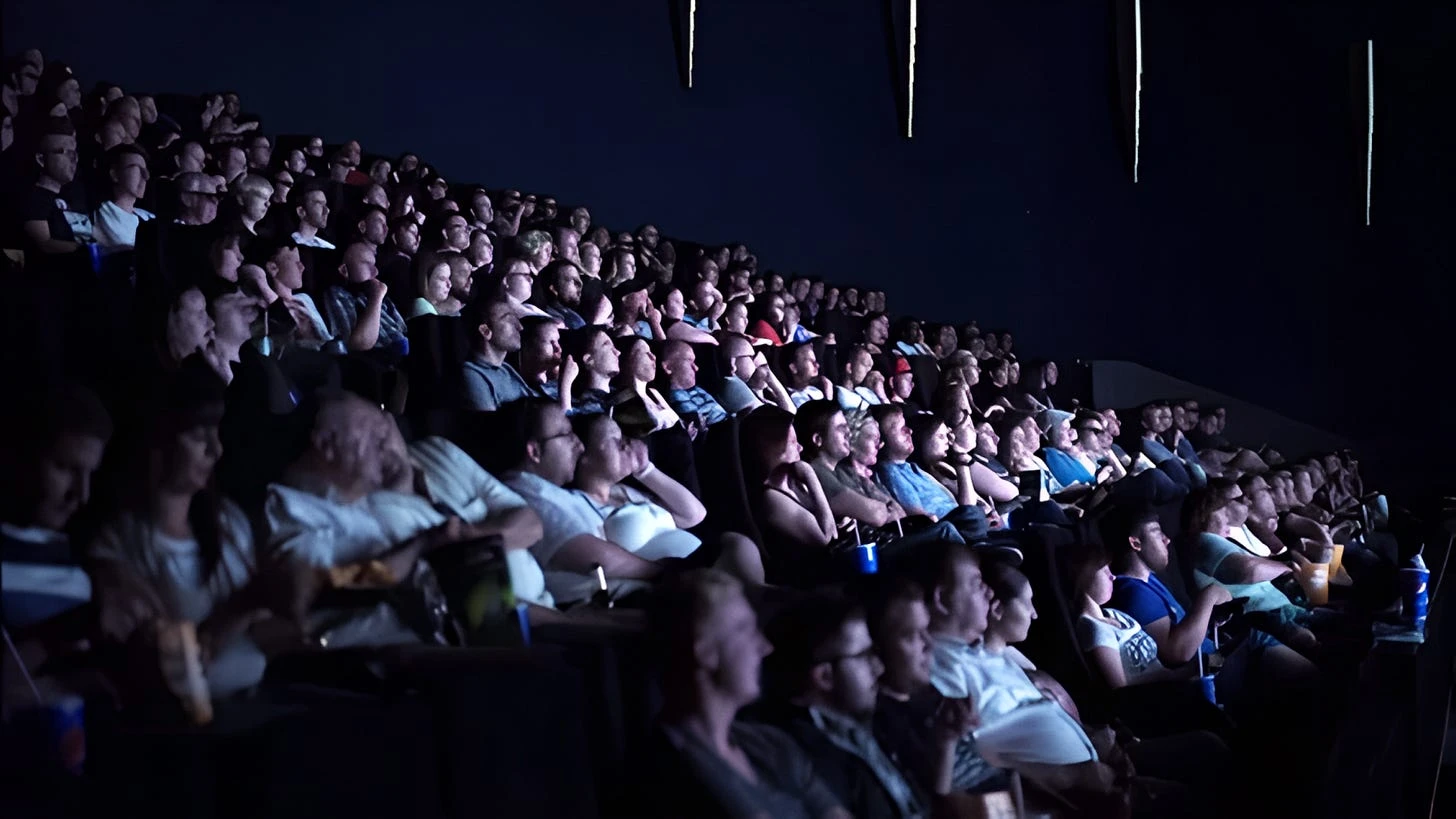
People won’t go to theaters to watch AI slop. The movie industry is going to invest massively, and I’m not talking about raw compute. Making a great movie has never been just a rendering problem. It requires storytelling, acting, cinematography, art direction, editing, sound design, visual effects, and an absurd amount of iteration. Making a good movie is just fucking hard, which is precisely why there aren’t many of them.
As AI makes content cheaper to produce, the obvious assumption is that everything will become cheaper. I think the opposite will happen at the top end of the market. The best studios will use those gains to push quality even further. More shots, more iterations, more ambitious visual effects, and much higher production values.
And the studios that fail to adapt will simply die, or be relegated to smaller screens, joining the vast sea of creators producing visual content that anyone can make.